Two Dyne Test Ink types – what’s the difference and how to choose?
We supply two chemically different types of Dyne Test Inks or Dyne Test Fluids, both covering the full surface energy range from 23 to 72 mN/m. The right choice for you depends on health and safety considerations, material compatibility, and accuracy. Type 1 – ISO Type Dyne Test Inks These inks are formulated to comply […]
Read More
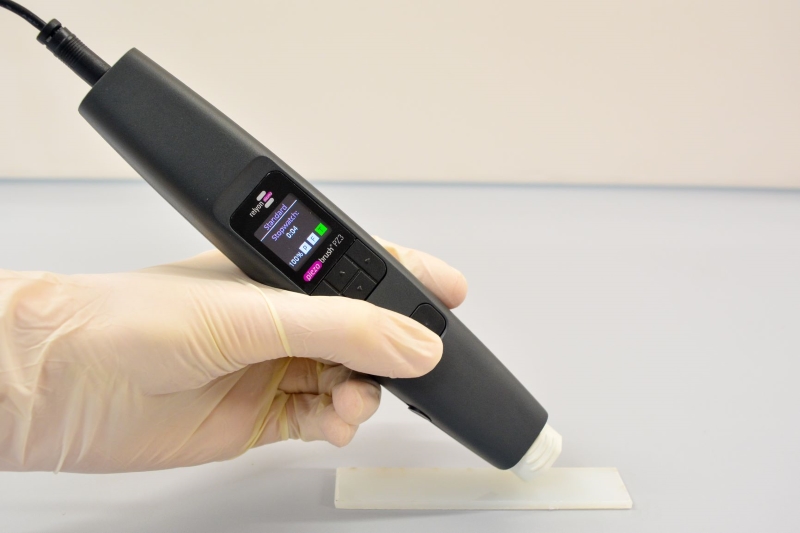
Plasma treatment kit includes Dyne Testing Dyne Test Pens
Our Relyon Plasma PiezoBrush PZ3 professional set now includes a set of our Dyne Testing Dyne Test Pens as standard. Plasma treatment improves wetting and adhesion by increasing surface energy. The PiezoBrush PZ3 makes this easy to achieve, but the result is not visible to the naked eye. You cannot tell how much wetting has […]
Read More
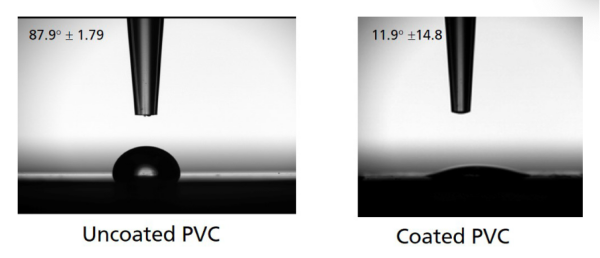
White Paper: Why Surface Measurement Matters in Medical Device Manufacturing
As medical device designers and manufacturers, you often depend on the property wetting, which can lie at the heart of your product’s reliability. Wetting determines two critical things: How well your adhesives, inks, or coatings adhere – ensuring structural integrity and compliance How effectively your coatings perform – from hydrophilic lubricity to hydrophobic protection In […]
Read More

White paper: What’s the difference between surface tension and surface energy?
Our latest white paper is from Conor Kelly, who answers the question What’s the difference between surface tension and surface energy? In an application where adhesion is required (printing, bonding, sealing, painting, coating, etc), understanding the surface tension and the surface energy of the components – and, crucially, the difference between them – can be […]
Read More
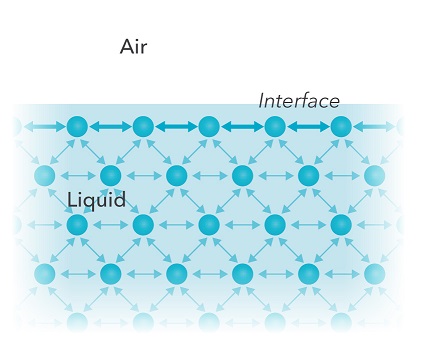
Getting below the surface of surface science
Since Dyne Testing Ltd was acquired by Intertronics, our interest in – and understanding of – surface science has expanded past surface measurement to adhesion, adhesive performance and surface treatment. We’ve combined all of our aspects on surface treatment, surface measurement, and surface preparation into one place, alongside some relevant products. Have a look at […]
Read More

What is a Dyne pen? | JoinedUpMinute Video Explains
Happy new year, and welcome to our first JoinedUpMinute video of 2025. In this video, Alison gives a quick explanation of Dyne pens and measuring surface tension and energy. She covers: Measurement units for surface tension Surface tension versus surface energy How Dyne pens are used to indicate surface energy Have a look! JoinedUpMinute […]
Read More
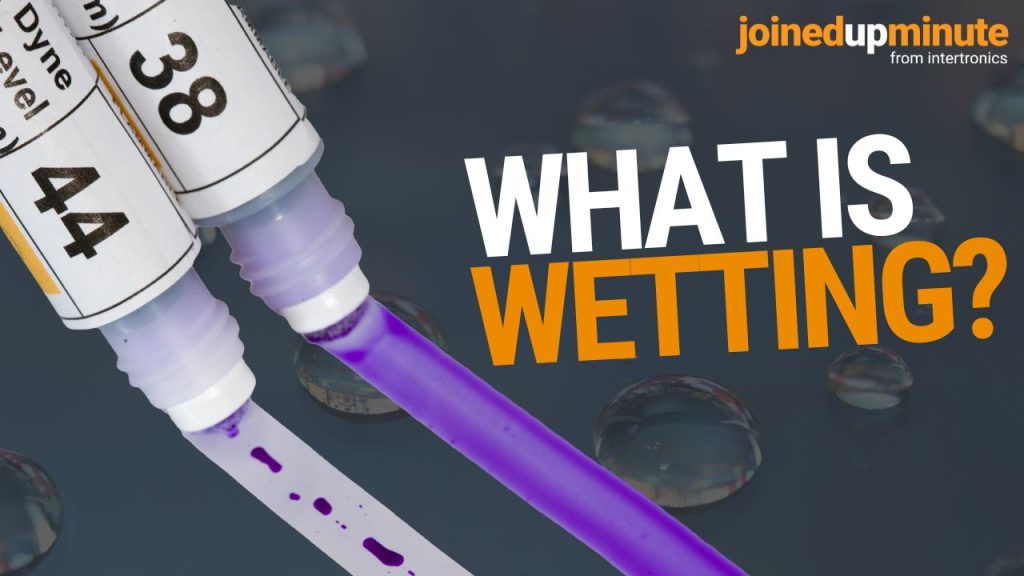
What is wetting? | JoinedUpMinute Video Explains
Our final JoinedUpMinute for 2024 is a speedy overview of wetting, courtesy of Alison. She explains: What wetting is and why it’s important How wetting relates to surface energy How to improve wetting Check it out! If you want to dive deeper into how to improve wetting, have a look at our video How […]
Read More

An overview of the UK’s surface measurement industry
Earlier this year we acquired Dyne Testing Ltd, a supplier of surface measurement products. Here Peter Swanson, (PS) Founder and Executive Chair of Intertronics, sits down with Alison Fox (AF), Brand Manager of Dyne Testing, to discuss trends in the UK’s surface measurement market. PS: Can you give me an overview the surface measurement equipment user base in the […]
Read More
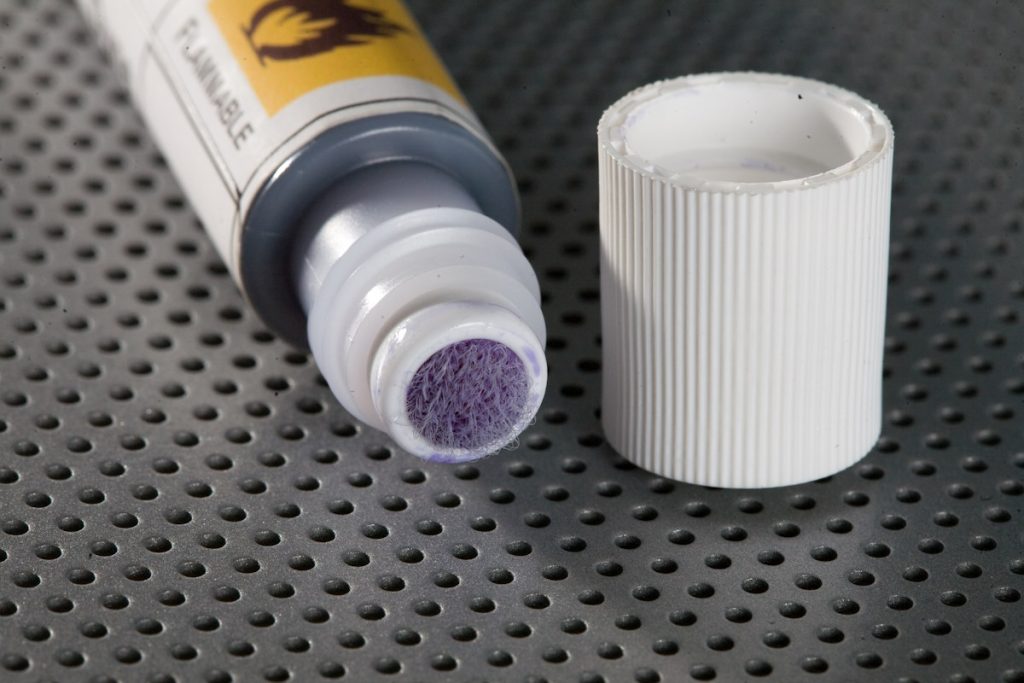
Dyne Pens & Test Fluids – How do they work?
Dyne Testing is fast becoming the most well recognised and trusted supplier of Dyne test pens and inks in the UK and overseas for countless applications throughout industry. Offering customers a choice of Dyne test solutions, Dyne Testing strive to provide first class, value for money products and services delivered by a great team of […]
Read More
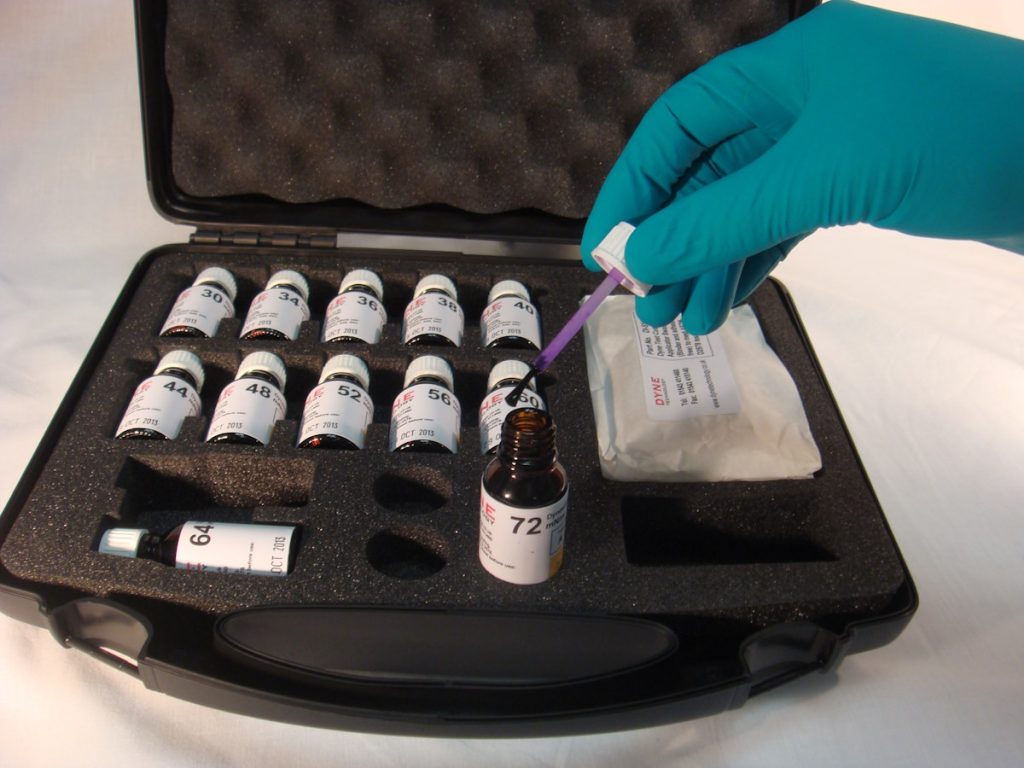
NEW Surface Energy Test Kits from Dyne Testing
Dyne Testing has launched a new and extended range of Non-Toxic Surface Energy Tests kits. The new high visibility yellow test inks make it easy to determine the Dyne value of your material. Supplied in a range of standard kits all housed in handy carrying cases; Economy kit – 6 bottles, Standard kit – 9 bottles and […]
Read More
Measuring Contaminants on Metals with Dyne Test Fluids
We have many customers who use our Dyne Test Fluids to test metal products for surface cleanliness and evaluating the characteristics of their products. The surface energy of metals is much higher than that of most surface contaminants thus, the higher the Dyne level or surface energy (mN/m) also the cleaner the part is. Dyne Testing […]
Read More
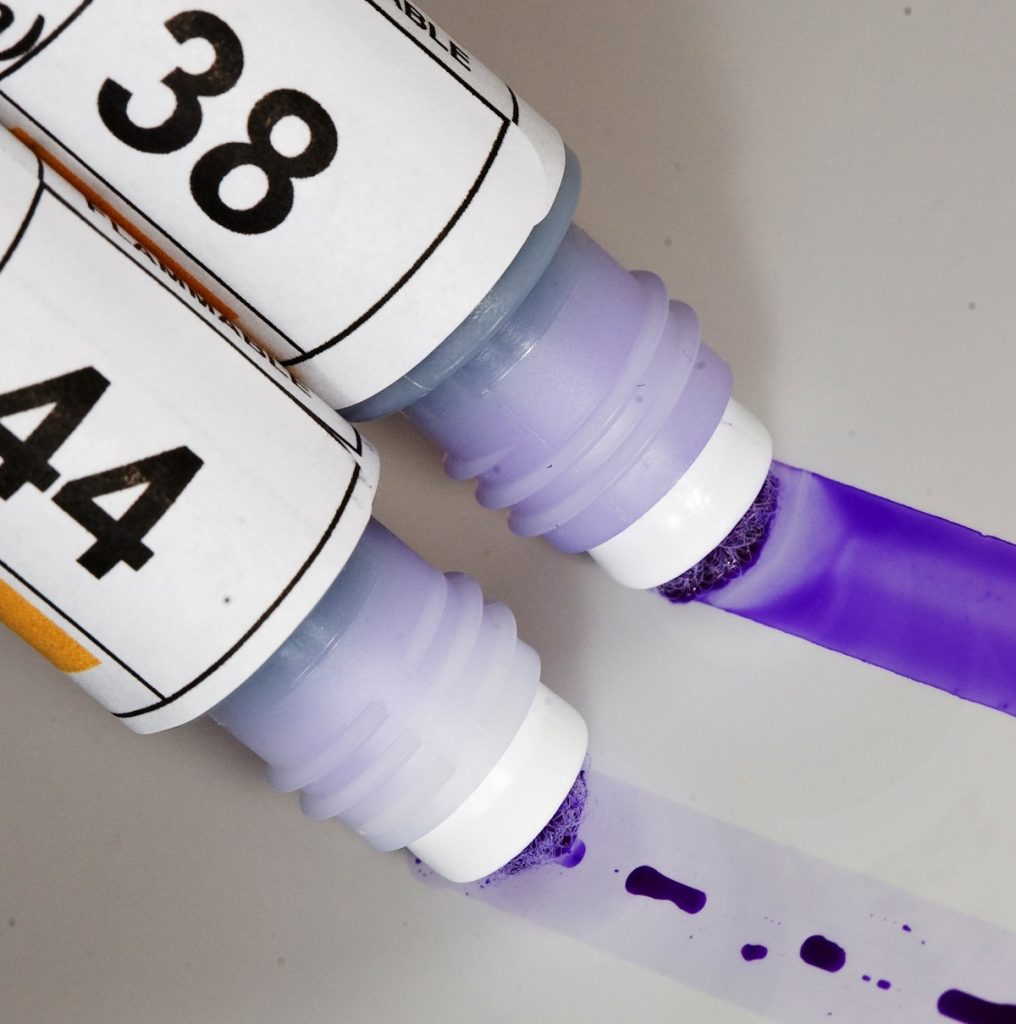
Follow the Three Second Dyne Testing Rule
Three seconds is all it takes to measure the surface energy of your material with our Dyne Test Pens. The low surface energy of polymer based substrates often leads to poor adhesion of inks, glues and coatings. For optimum adhesion it is often necessary to increase the surface energy of the substrate to just above that […]
Read More
Range of Dyne Test Kits Gets Extended
Dyne Testing Extend the Range of Dyne Test Kits to Fulfil Customer’s Quality Needs. Dyne Testing has extended the product choice of Test Kits and now offers a new range of Dyne Test Kits containing up to 12 bottles of Dyne test fluid in one handy carry case. The extended range has been adopted to offer […]
Read More
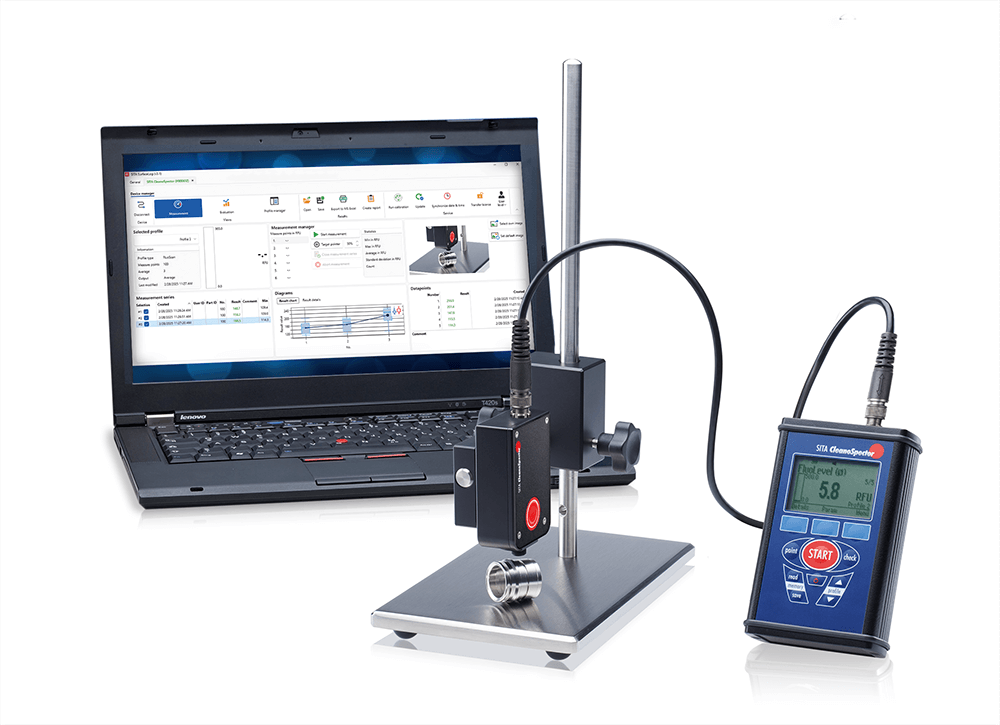
Solving the Problem of Adhesion to Plastics and Rubber
Why is bonding to plastics and rubber so difficult? The age old problem of obtaining good adhesion of paints, coatings, sealants and glues to traditionally hard to bond to materials like polypropylene has challenged engineers ever since its development and introduction by ICI in the late 1930’s. In this whitepaper, Chris Lines explains a few […]
Read More