Two Dyne Test Ink types – what’s the difference and how to choose?
We supply two chemically different types of Dyne Test Inks or Dyne Test Fluids, both covering the full surface energy range from 23 to 72 mN/m. The right choice for you depends on health and safety considerations, material compatibility, and accuracy. Type 1 – ISO Type Dyne Test Inks These inks are formulated to comply […]
Read More

Benjamin Franklin, the accidental surface tension scientist
In 1774, Benjamin Franklin did something quietly brilliant. Standing beside a blustery pond on Clapham Common in London, he poured some oil (reportedly from his cane) onto the water. Within moments, ripples vanished. A choppy surface turned mirror-smooth. It was one of the earliest recorded observations of surface tension. Franklin wasn’t thinking about surface tension […]
Read More
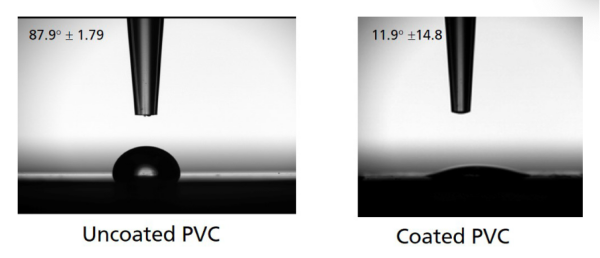
White Paper: Why Surface Measurement Matters in Medical Device Manufacturing
As medical device designers and manufacturers, you often depend on the property wetting, which can lie at the heart of your product’s reliability. Wetting determines two critical things: How well your adhesives, inks, or coatings adhere – ensuring structural integrity and compliance How effectively your coatings perform – from hydrophilic lubricity to hydrophobic protection In […]
Read More
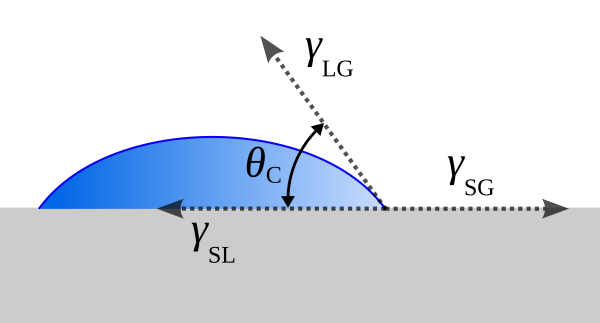
What is a sessile drop?
A sessile drop refers to a liquid droplet that’s placed on a solid surface. The term stems from Latin sessilis, meaning “sitting,” emphasising that the drop remains stationary on the substrate. It’s literally attached at its base, offering a stable configuration for optical analysis. The sessile drop method is a technique we very commonly use for […]
Read More

How to choose between a Wilhelmy plate and a du Noüy ring
In previous posts we’ve discussed What is a du Noüy ring and What is a Wilhelmy plate. However, when measuring surface tension or interfacial tension with a force tensiometer, how do you choose which probe is best? When measuring interfacial tension (i.e. between two immiscible liquids such as oil and water) the du Noüy ring […]
Read More
What is a Wilhelmy plate?
A Wilhelmy plate is a thin plate used to measure the surface tension or interfacial tension of a liquid. The plate’s dimensions are usually on the order of a few square centimetres, with a thickness of ~0.1 mm – very thin to minimize buoyancy effects and to ensure high sensitivity. It is made from an […]
Read More
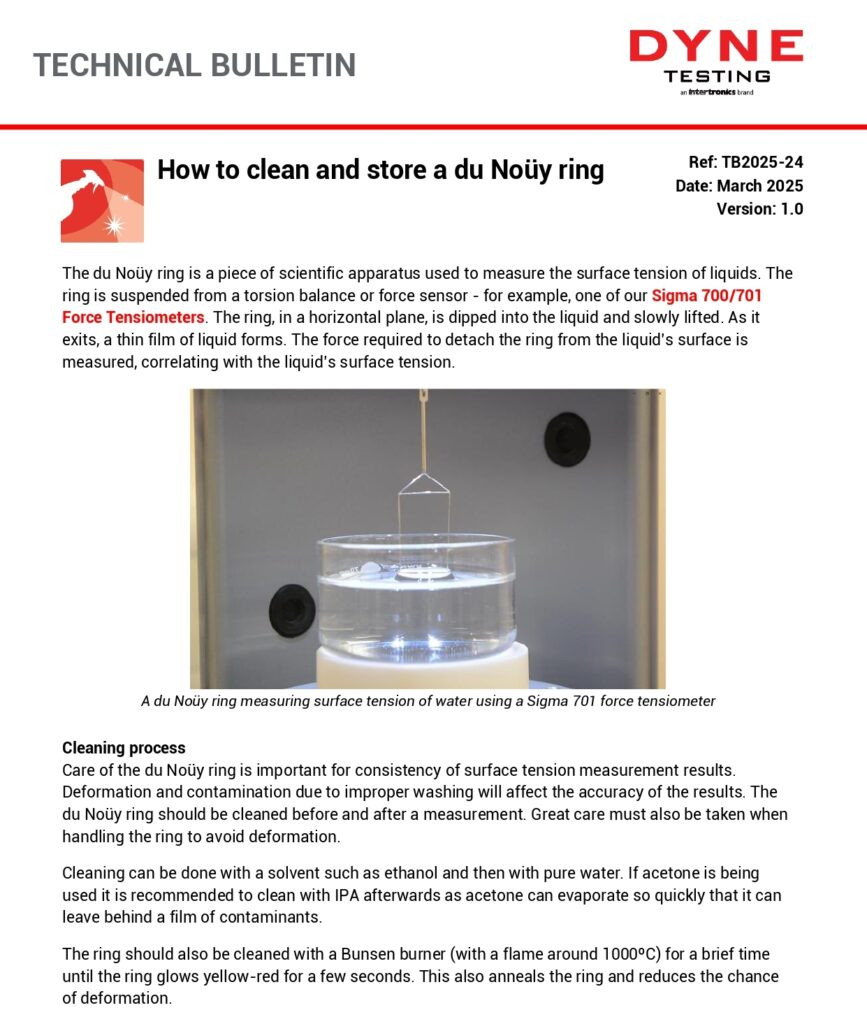
How to clean and store a du Noüy ring
We have added a Technical Bulletin to the website entitled How to clean and store a du Noüy ring. We get asked this question a great deal, so it’s knowledge worth spreading around. Please download and share with your colleagues.
Read More

White paper: What’s the difference between surface tension and surface energy?
Our latest white paper is from Conor Kelly, who answers the question What’s the difference between surface tension and surface energy? In an application where adhesion is required (printing, bonding, sealing, painting, coating, etc), understanding the surface tension and the surface energy of the components – and, crucially, the difference between them – can be […]
Read More
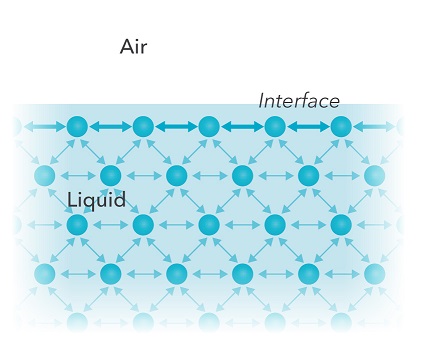
Getting below the surface of surface science
Since Dyne Testing Ltd was acquired by Intertronics, our interest in – and understanding of – surface science has expanded past surface measurement to adhesion, adhesive performance and surface treatment. We’ve combined all of our aspects on surface treatment, surface measurement, and surface preparation into one place, alongside some relevant products. Have a look at […]
Read More

An overview of the UK’s surface measurement industry
Earlier this year we acquired Dyne Testing Ltd, a supplier of surface measurement products. Here Peter Swanson, (PS) Founder and Executive Chair of Intertronics, sits down with Alison Fox (AF), Brand Manager of Dyne Testing, to discuss trends in the UK’s surface measurement market. PS: Can you give me an overview the surface measurement equipment user base in the […]
Read More