ISO 8502 is an international standard that specifies a method for extracting water-soluble contaminants from steel surfaces prior to the application of paints, coatings or adhesives. This standard is titled Preparation of steel substrates before application of paints and related products — Tests for the assessment of surface cleanliness. Part 6 of the standard outlines Extraction of soluble contaminants for analysis (Bresle method). The latest version is ISO 8502-6:2020.
The standard describes a technique using flexible cells, either adhesive patches or sleeves, that can be attached to any surface regardless of its shape or orientation. This method is designed for field use to determine the presence of water-soluble contaminants before painting or similar treatments. It’s important to note that while ISO 8502-6 covers the extraction process, it does not include the subsequent analysis of the dissolved contaminants, which is addressed in other parts of the ISO 8502 series, such as the conductivity test procedure outlined in part 9.
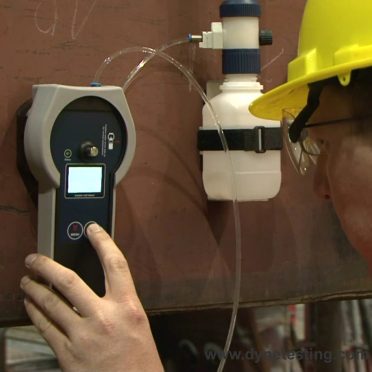
The Bresle method outlined in ISO 8502-6 is the longstanding default for soluble salt contamination testing. Newer technology exists which can provide the full test in a single instrument, eliminating the need for consumable patches and syringes, and reducing the time required for testing from over 10 minutes to just one minute. If you’re looking for greater simplicity and more reliable results than the Bresle patch method, we suggest our Soluble Salt Contamination Meter.