The Bresle method is a standardised procedure (in accordance with ISO 8502-6 Extraction of soluble contaminants for analysis — The Bresle method and ISO 8502-9 Field method for the conductometric determination of water-soluble salts) for determining the concentration of soluble salts on metal surfaces prior to a bonding or coating application, such as using adhesives or paints. It involves applying a special patch, known as a Bresle patch, to the surface being tested. The patch creates a sealed chamber into which the operator injects a specific volume of deionised water. Any soluble salts present on the surface dissolve into this water, increasing its electrical conductivity.
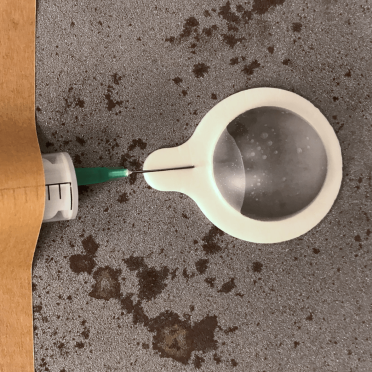
The patch should sit on the surface for a minimum of 10 minutes, during which the operator should agitate the liquid using the syringe to eject and re-inject the liquid at least 4 times, according to the ISO standard. The operator then extracts the water from the patch and measures its conductivity using a conductivity meter. The increase in conductivity directly correlates with the concentration of soluble salts on the surface, typically expressed as sodium chloride (NaCl) equivalent. The tolerable amount of soluble salts present is dependent on your own requirements.
This method is widely adopted by various organisations including ISO, US Navy, IMO, NAVSEA, and ASTM as their standard for measuring surface salt contamination. Testing for soluble salts is particularly important in industries where coating adhesion is critical, as excessive salt contamination can lead to premature coating failure.
Are there other methods?
The Bresle patch test has been an industry standard for decades. It does have its drawbacks, including the need for consumable test patches, adhesive residue left on the surface, and it’s a bit fiddly if we’re honest. For a simpler and more repeatable test for soluble salts, the Soluble Salt Contamination Meter is worth a look. It has a higher upfront investment, but doesn’t require patches, is easy to execute, and only takes about one minute for the full test, which is all done with one instrument rather than with patches, syringes, and conductivity meters.