 In many manufacturing environments, cleaning processes are managed conservatively because cleanliness is hard to verify. Cleaning fluids are changed on a fixed schedule. Maintenance is brought forward “just in case”. It feels prudent. But it is rarely measured.
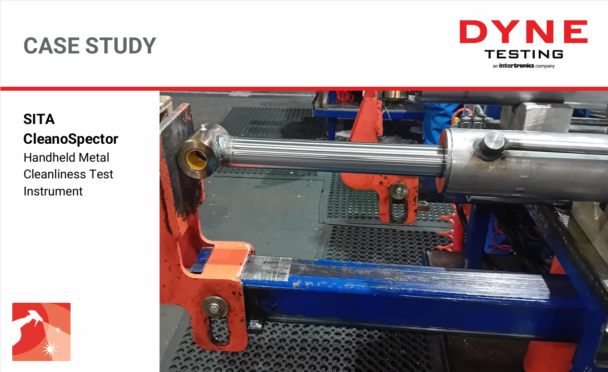
Our latest case study with Burnside Hydracyl shows what happened when a manufacturer replaced assumption with quantitative cleanliness verification. By introducing the SITA CleanoSpector into their washing process control, they reduced cleaning fluid changes from 12 per year to seven, saving around €7,500 per washer annually, while maintaining product performance, documented quality standards and downstream ISO 4406 cleanliness requirements.
In other words, operating costs came down without increasing process risk or compromising quality. And the instrument paid for itself in months.
If you suspect you are managing cleaning by habit rather than data, this story is worth five minutes of your time. Read the full case study.